luxor tours

Places you'll see on your Luxor day trip itinerary

Why visit Luxor on a day trip?

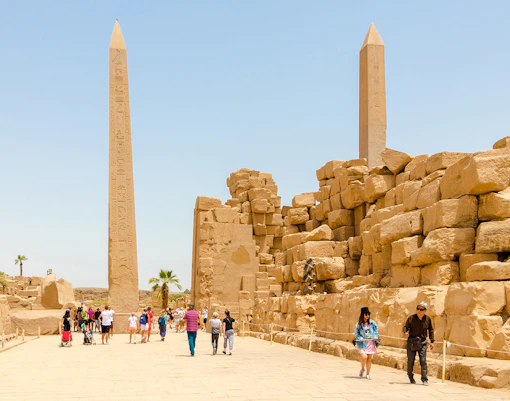
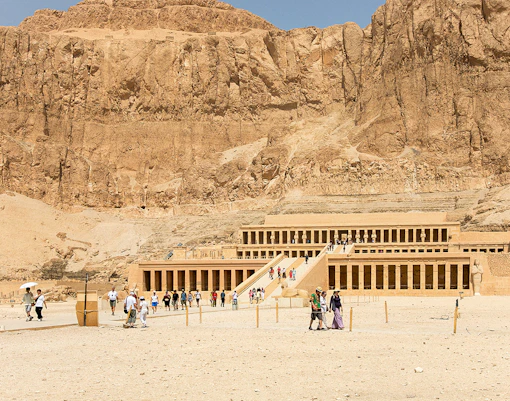
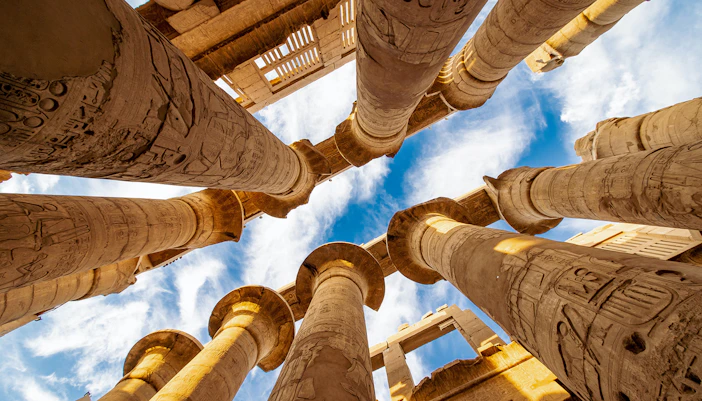
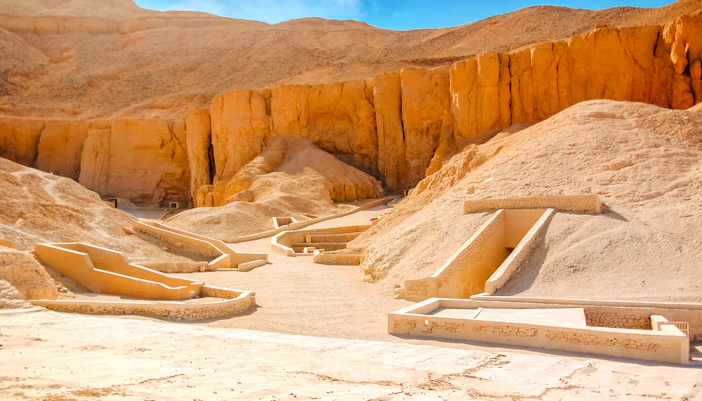
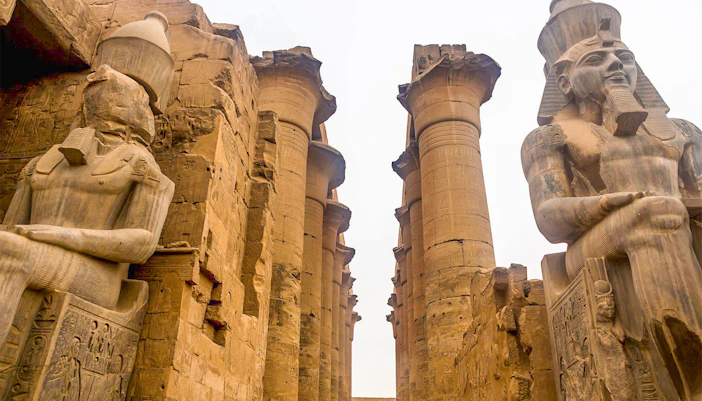
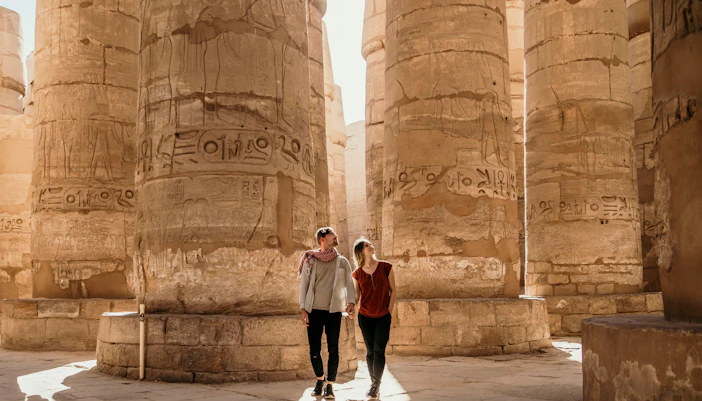
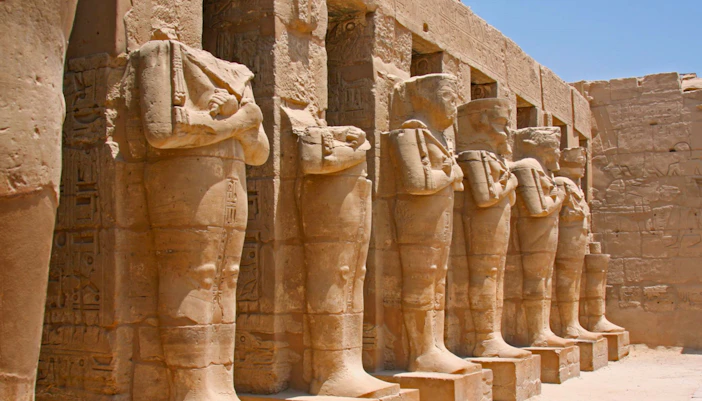
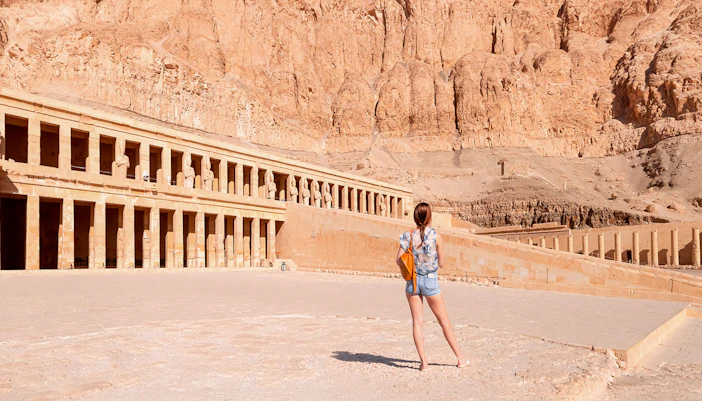
Luxor works surprisingly well as a day trip if you plan it around its biggest icons. In one long but manageable day, you can cover Karnak Temple, the Valley of the Kings, and the Temple of Hatshepsut, with Luxor Temple fitting in later if you still have energy. The challenge is not distance between cities, but moving efficiently between the East Bank and West Bank before the heat builds and crowds gather. Guided tours with transfers, and options that include entry tickets, make that schedule easier to pull off without wasting time at each stop.

See Luxor with less guesswork

Guided or planned tours make Luxor easier to cover, especially when you want direct transfers, a clear route, and entry handled in advance. Options on Headout range from half-day East or West Bank tours to full-day cross-bank visits with expert Egyptologist guides.

Morning in Luxor

Start early to make the most of your day in Luxor, with cooler temperatures and more comfortable conditions for exploring the city's archaeological sites. Choose your route based on how much of Luxor you want to cover and how you plan to spend the afternoon.

Afternoon in Luxor

Your afternoon in Luxor depends on how you structure your sightseeing. West Bank and East Bank tours typically finish their core visits by midday, leaving you free to plan the rest of the day. All-inclusive tours continue with lunch and East Bank sightseeing.

Evening in Luxor

As the heat eases, shift from daytime sightseeing to a slower evening experience. If you've finished your main temple visits, this is a good time to see Luxor after dark or simply unwind along the Nile.

More things to do in Luxor after your day trip

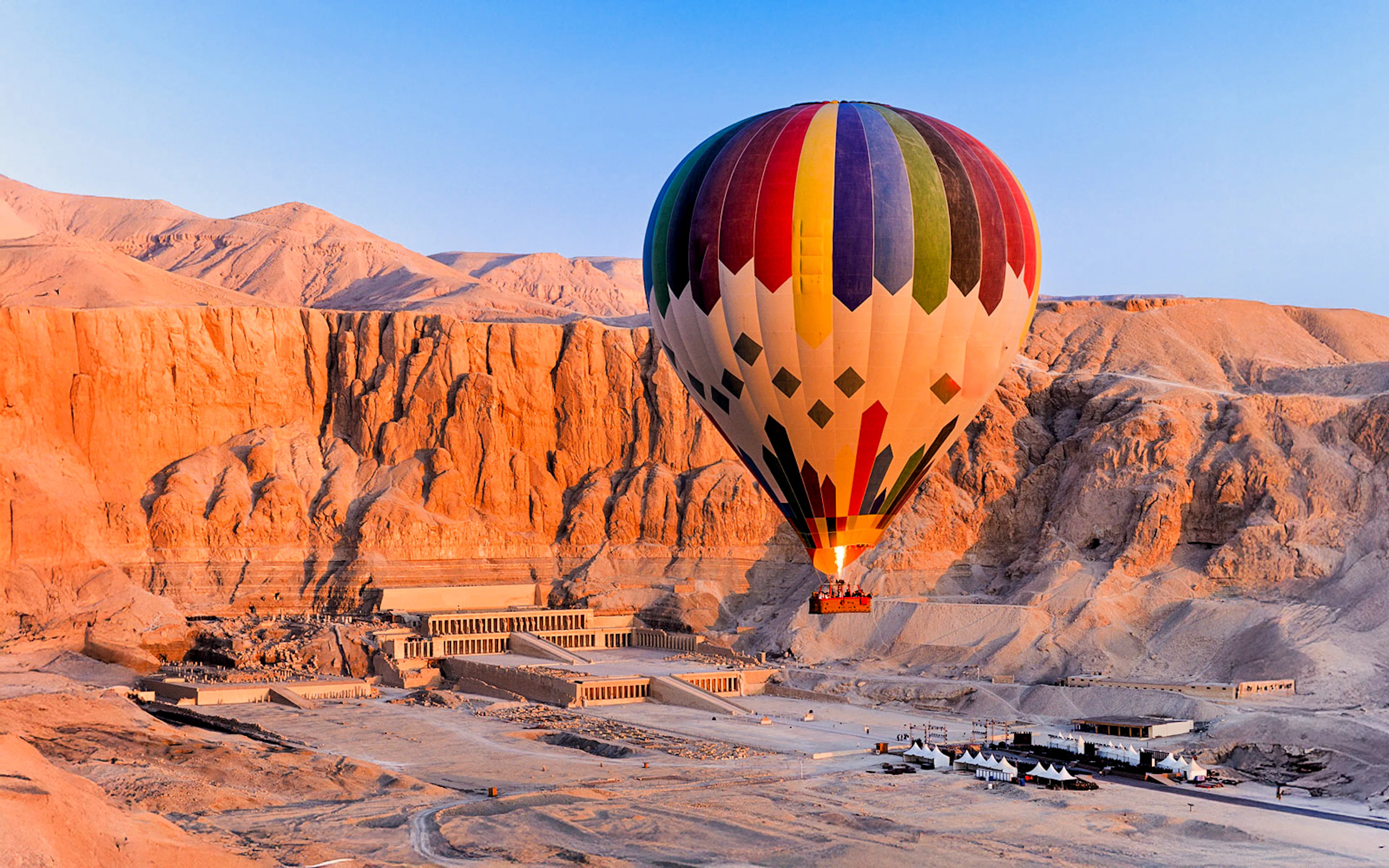
Hot air balloon over Luxor at sunrise
1/5

Luxor Sunrise Hot Air Balloon Ride

Float above the West Bank at sunrise for 45–60 minutes, then return by around 7:30am with the rest of the day still open.

Book now

Tutankhamun Tomb add-on

If King Tut matters to you, book a Valley of the Kings option that explicitly includes this separately ticketed tomb.

Karnak Temple Sound & Light Show

This after-dark visit turns a daytime temple stop into a different experience, centered on atmosphere, illumination, and narrated history.

Book now

Valley of the Queens

Some Hatshepsut and Valley ticket combinations add it in, making it a strong choice if you already want more tombs.

Dendera or Abydos extension

If you have more than a day in Luxor, these longer temple excursions add depth beyond the standard East Bank and West Bank loop.

Best time to visit Luxor

Luxor is best visited during the cooler months from October to April, when temperatures are more comfortable for spending several hours outdoors at temples and archaeological sites. The city is worth visiting year-round, but each season offers a different balance of weather, crowds, and sightseeing comfort.

How to reach Luxor / Getting to Luxor

The easiest way to reach Luxor and start sightseeing is with a guided tour that includes transport. Hotel pickup, air-conditioned transfers, entry tickets, and a guide can be arranged together, so you don't need to navigate local transport or coordinate connections between the East and West Banks.

This is particularly useful for day trips from Cairo or Hurghada. From Cairo, flight-based tours save time compared with an overland journey; from Hurghada, organized road tours handle the journey to and from Luxor.

Best for: First-time visitors, day trippers, and travelers who want transport and sightseeing arranged together.
Travel time: Varies by starting point and tour. The Cairo flight-based day trip takes around 15–16 hours overall, while the Hurghada day trip involves roughly 4 hours of road travel each way. Tours based in Luxor vary by pickup point.
Why choose it: Door-to-door transfers, guided sightseeing, and pre-arranged entry make this the least complicated option.

Recommended tours:
From Cairo: Private All-Inclusive Tour of Luxor by Plane
From Luxor: Full-Day All-Inclusive Tour to Luxor West & East Banks with Tickets, Transfers and Optional Lunch

Trains connect Luxor with Cairo and other cities along the Nile Valley, making rail travel a practical option if you're staying in Egypt for several days. Journey times vary by service, with many Cairo–Luxor trains taking around 9–11 hours.

Best for: Independent travelers staying overnight in Luxor or combining it with other Nile Valley destinations.
Travel time: Around 9–11 hours from Cairo, depending on the service.
Approx. cost: From around US$6 for basic second-class services; fares vary by train and class.
Pros: Affordable, frequent connections, and useful for multi-city trips.
Cons: Too time-consuming for a Cairo-to-Luxor day trip and less convenient than a guided tour. No direct train from Hurghada.

Buses are a useful option for reaching Luxor from Hurghada, with services connecting the two cities throughout the day. The journey generally takes around 3–4 hours, depending on the service and road conditions.

Best for: Budget-conscious travelers traveling independently between Hurghada and Luxor.
Travel time: Around 3–4 hours from Hurghada.
Approx. cost: From around US$8–10, depending on the operator and service.
Pros: Relatively affordable and avoids the need to drive yourself.
Cons: You'll need to arrange your own transport between the bus station, hotel, and sightseeing stops in Luxor.

Driving gives you flexibility if Luxor is part of a longer Egypt road trip. A rental car or private driver lets you choose your departure time and travel directly between destinations without following a fixed schedule.

Best for: Independent travelers, families, and visitors combining Luxor with other destinations by road.
Travel time: From Hurghada, allow around 3–4 hours by road. Journeys from Cairo take considerably longer.
Approx. cost: Private-driver and rental-car prices vary by vehicle, duration, and starting point, so there isn't a useful single fare to quote.
Pros: Flexible departure times and door-to-door travel.
Cons: Long-distance driving can be tiring, and you'll need to handle navigation, parking, and transport between Luxor's attractions yourself.

Where to eat in Luxor

From traditional Egyptian dishes and Nile-view grills to relaxed cafés, Luxor has plenty of options for a meal between sightseeing stops. For a day trip, East Bank restaurants are generally the most convenient, while the West Bank has quieter spots with views across the river.

Where to shop in Luxor

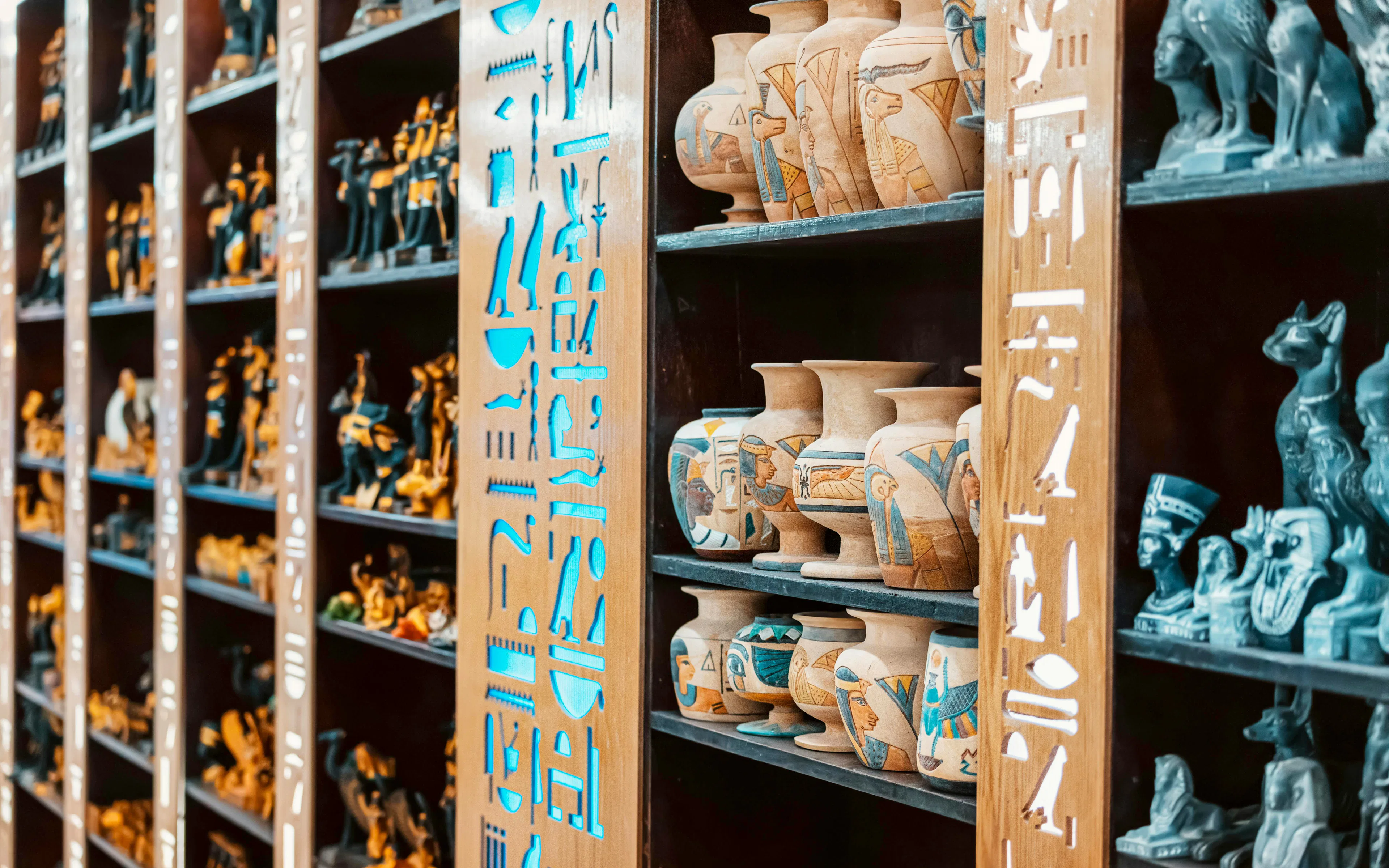
Shopping in Luxor
1/4

Luxor Souq

Bustling traditional market in central Luxor.

Highlight: Spices, perfumes, scarves, cotton clothing, souvenirs, and small handicrafts.
When to Visit: Late afternoon or evening, when the market becomes livelier and temperatures are cooler.
Why Visit: This is one of the easiest places to experience everyday market life while picking up traditional Egyptian gifts.

Al-Sahaby Street

Lively pedestrian street near Luxor Temple.

Highlight: Souvenirs, spices, textiles, jewelry, perfumes, and small handicrafts.
When to Visit: Late afternoon or evening, when the street is cooler and more atmospheric.
Why Visit: Combine shopping with dinner or a rooftop meal, making it an easy addition after a day of sightseeing.

West Bank Alabaster Workshops

Local craft studios specializing in carved stone.

Highlight: Hand-carved alabaster vessels, statues, bowls, and decorative pieces.
When to Visit: Daytime, particularly after visiting the West Bank archaeological sites.
Why Visit: See how a traditional Luxor craft is made and take home a more distinctive souvenir than mass-produced trinkets.

Local Spice & Souvenir Shops

Small neighborhood shops for everyday Egyptian goods.

Highlight: Spices, hibiscus tea, dates, oils, incense, and packaged local products.
When to Visit: Late afternoon, when the weather is cooler and shops around central Luxor are active.
Why Visit: A simple option for edible souvenirs and everyday Egyptian products without making a dedicated shopping trip.

Best areas to stay in Luxor

Choose your base based on how you plan to spend your time. The East Bank is best for first-time visitors who want restaurants, transport, and easy access to the city's main services; the West Bank offers a quieter, more rural atmosphere close to the ancient sites; while the Nile-side luxury area suits travelers looking for a resort-style stay and river views.

Handy tips for a day in Luxor

  • Start early: Aim for 6–7am at West Bank sites to make the most of cooler, quieter morning hours.
  • Wear walking shoes: Tombs, temples, and uneven archaeological paths involve considerable walking and exposed ground.
  • Carry sun protection: Bring water, sunglasses, a hat, and sunscreen; shade is limited at many sites.
  • Check ticket options: Tutankhamun’s Tomb and other additional tombs may require separate or upgraded entry.
  • Plan around the heat: In summer, prioritize one bank or start sightseeing as early as possible.
  • Keep small cash: Carry some Egyptian pounds for snacks, drinks, tips, or small purchases during the day.

Frequently asked questions about your Luxor day trip itinerary

A day is enough to cover Luxor’s major East and West Bank highlights, but 2–3 days gives you more time to explore individual sites without rushing.